Fiber, yarn, weave, GSM, width, repeat, backing, finish and color define the construction under review. A later substitution is recorded rather than treated as equivalent by appearance.
About Kvadrat Material Development
Interior textile decisions organized as measurable facts, installation questions and evidence boundaries.
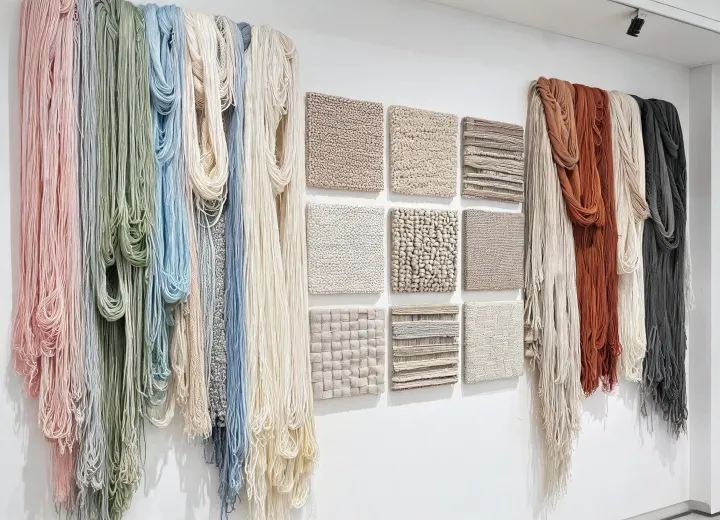
A memo supports initial color and touch; drapery length reveals hang and repeat; an upholstered mock-up tests seams, curvature and tension; a production roll remains its own acceptance scope.
Abrasion, pilling, colorfastness, flame and acoustic evidence names the standard, conditioning, specimen, setup and result. One method is not silently converted into another.
Furniture geometry, curtain fullness, air gap, backing, mounting, light, maintenance and traffic alter the installed result and belong in the brief.
Evidence record
- Approval: sample code, shade, light source, date, decision owner and change trigger.
- Testing: laboratory, method version, specimen, conditioning, unit, result and limitation.
- Compliance: issuer, covered entity, material scope, validity and destination relevance.
- Production: construction, dye lot, usable width, repeat, roll inspection and accepted deviation.
The record does not imply owned laboratories, production capacity, customer projects or current certifications. Actual supply route and document availability are confirmed per program.
Natural and process variation remains possible within agreed tolerance. Shade, pile direction, backing, finish, yarn lot and light source can influence appearance. Review conditions should match the intended interior and acceptance procedure.
Production handoff identifies the approved sample, usable width, repeat, roll direction, inspection plan, accepted deviation and decision owner. A change in fiber, yarn, dye route, finish, backing or manufacturing path prompts review of earlier approvals. For project evidence, test reports are checked by method, specimen and date; compliance documents are checked by issuer, covered entity, material and validity. Acoustic or flame statements remain limited to the tested assembly and jurisdiction rather than every installation.
Review the cloth in the context of the space
Bring the installation detail, lighting and maintenance route.
Contact Kvadrat